Discover how God reveals His love, mercy, healing, and divine power through miracles in the Catholic faith — signs that draw hearts closer to Jesus Christ.
A miracle is an extraordinary event that surpasses the ordinary laws of nature — a sign of God's direct intervention in the world. In the Catholic faith, miracles reveal God's love, mercy, and divine purpose for humanity.
True miracles always draw hearts closer to Jesus Christ. They are never meant to be magic tricks, entertainment, or ends in themselves — but invitations to deepen faith, hope, and repentance.
Miracles remind us that God is present, active, and concerned about every soul. They reveal God's compassion for the suffering and His desire for all people to come to know His Son, Jesus Christ.
"Miracles are not violations of natural law, but signs that reveal a loving God who acts for our good. They invite us to trust, not to demand."
The greatest miracles in history are found in the life, ministry, death, and resurrection of Our Lord Jesus Christ — revealing His divine power, compassion, and mission to save humanity.
Jesus gave sight to the blind, revealing His divine compassion and power over physical limitations.
Christ healed countless people of diseases and infirmities, showing God's tender love for the suffering.
Jesus raised Lazarus from the dead, demonstrating His power over death and offering hope of eternal life.
Christ commanded the wind and waves to be still, showing mastery over nature and peace for those who trust in Him.
With a few loaves and fish, Jesus fed thousands, revealing His divine provision and concern for bodily needs.
Jesus freed people from demonic oppression, showing His authority over evil and restoring freedom to the afflicted.
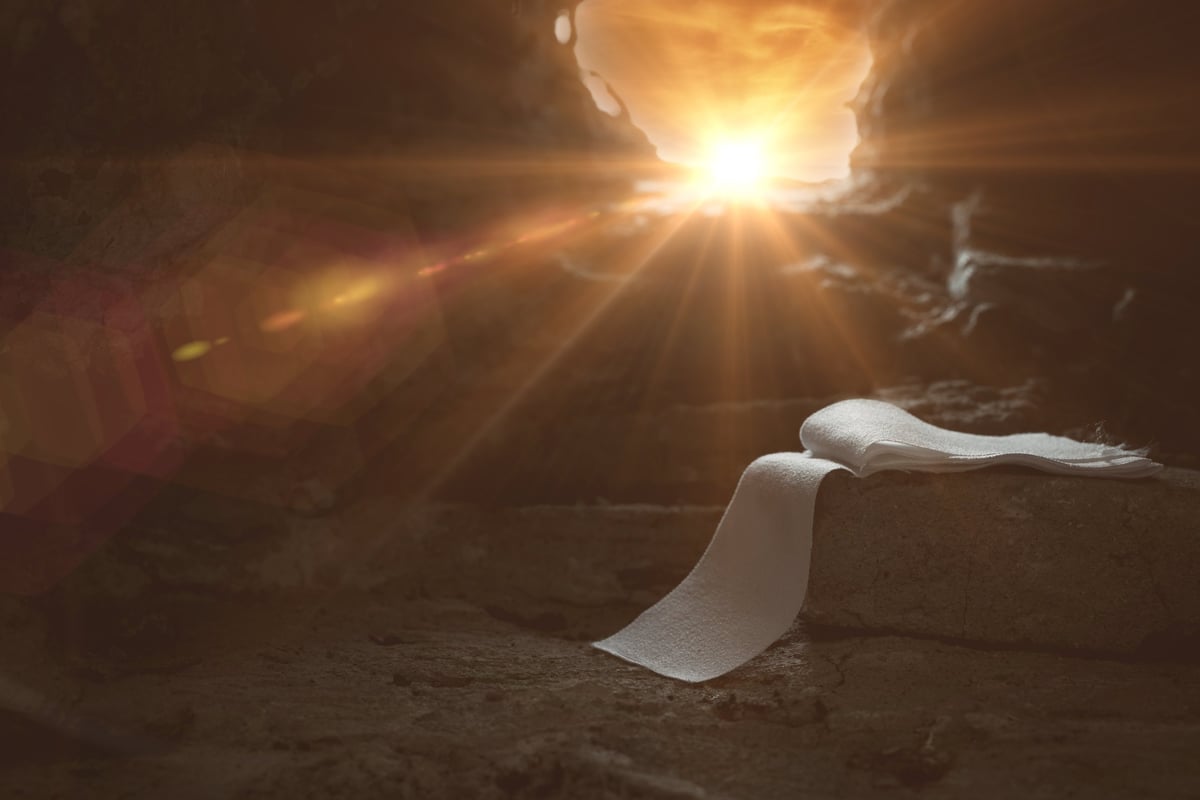
The resurrection of Jesus Christ from the dead is the greatest miracle in human history — the cornerstone of our faith. Through His rising, Christ defeated death, opened the gates of heaven, and offered the promise of eternal life to all who believe in Him.
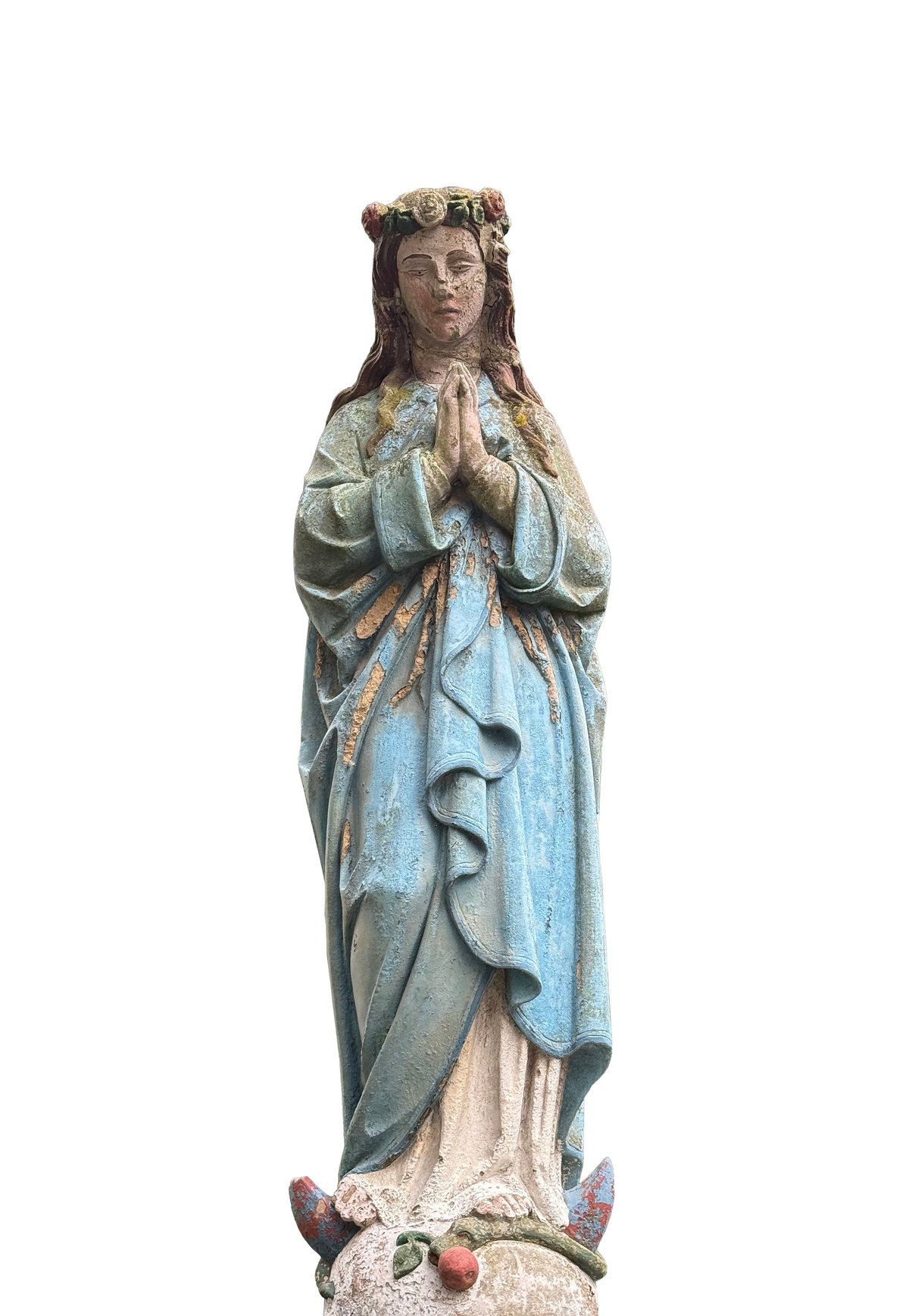
Throughout the life of the Church, God has continued to work miracles — healing, conversions, and signs of grace that strengthen the faithful and reveal His loving presence.
Throughout history, many have reported miraculous healings through prayer, the intercession of saints, pilgrimages to sacred shrines, and devotion to the Blessed Sacrament.
These healings often occur at places like Lourdes, where the Church has carefully documented cases that defy medical explanation — not to prove God's power arbitrarily, but to invite deeper faith and trust in Him.
The Catholic Church teaches that Jesus is truly present in the Eucharist. In some extraordinary cases, the consecrated Host has visibly turned into flesh or blood — events treated with profound reverence.
These Eucharistic miracles are signs meant to strengthen faith in the Real Presence and are investigated with great care by ecclesiastical authorities.
Some saints' bodies have been found incorrupt — perfectly preserved without artificial embalming — despite centuries passing. While not all incorruptible bodies are miraculous, some are recognized as signs of God's power and the holiness of the saint.
These remain objects of reverence and reminders of our call to holiness and the hope of resurrection.
The Blessed Virgin Mary has appeared to humble souls throughout history, bringing messages of prayer, conversion, and peace. Church-approved apparitions include Our Lady of Guadalupe, Lourdes, Fatima, and Knock.
These apparitions are accompanied by many miracles — healings, conversions, and signs of grace — all pointing to her Son, Jesus Christ.
The Catholic Church does not accept every claimed miracle story. Through rigorous investigation — involving medical experts, theologians, and spiritual discernment — the Church carefully examines claims before offering any recognition. This protects the faithful from deception and ensures that authentic miracles bring genuine spiritual fruit.
The Eucharist is the source and summit of Catholic life. In extraordinary circumstances, God has allowed visible signs to strengthen our faith in the Real Presence of Jesus Christ.
Catholics believe that at Mass, through the power of the Holy Spirit and the words of consecration, the bread and wine become the true Body, Blood, Soul, and Divinity of Jesus Christ — while the appearance of bread and wine remains.
This is not merely symbolic, but a profound mystery of faith: Jesus is truly present in the Eucharist, offering Himself to the Father for the salvation of the world.
In some rare instances, the consecrated Host has visibly transformed into living flesh, or the wine into blood. These events are treated with the utmost reverence and have been carefully examined by the Church.
They are signs meant to deepen faith, not to be treated as curiosities. Every precaution is taken to handle these sacred objects with profound love and respect.
A monk celebrating Mass witnessed the consecrated Host become living flesh and the wine become blood. The relics — a Host showing flesh and blood in a reliquary — have been scientifically studied and found to be human heart tissue and blood.
A German priest, doubting the Real Presence, witnessed the Host bleeding onto his corporal during Mass. The Pope ordered the relics brought to Rome, and this miracle inspired the Feast of Corpus Christi.
A consecrated Host that fell to the ground and was placed in water showed signs of transformation. Scientific analysis by Dr. Ricardo Gómez Fernández concluded it was human heart tissue, consistent with the other Eucharistic miracles.
Throughout history, God has brought healing to many — physical, emotional, and spiritual. These miracles reveal His compassion for the suffering and His desire to bring comfort and restoration.
Many report miraculous cures from illnesses, injuries, and conditions that defied medical explanation — offered through prayer, pilgrimage, and trust in God's mercy.
God brings peace, comfort, and restoration to those struggling with grief, trauma, anxiety, and emotional wounds — offering the healing of the heart.
Through Confession, prayer, and the sacraments, God heals the soul — forgiving sins, restoring grace, and bringing reconciliation with Himself.
The World's Most Famous Healing Shrine
In 1858, the Virgin Mary appeared to Saint Bernadette Soubirous near the Grotto of Massabielle. Mary identified herself as the Immaculate Conception and revealed a miraculous spring of water.
Since then, millions of pilgrims have visited Lourdes seeking healing. The Church has officially recognized over 70 miracles among thousands of reported cures — each examined with extraordinary medical and spiritual rigor.
Not everyone who prays for healing receives a miraculous cure. The Church teaches that God's plan includes both healing and suffering — and that both can be paths to salvation. What matters most is trust in God's love, even when we do not understand His will.
The saints are heroes of our faith who lived extraordinary lives of holiness. Through their intercession, God continues to work miracles — not because of the saints' own power, but because of His infinite goodness.
Saints do not perform miracles by their own power. They are human beings who cooperated with God's grace, and God chooses to work through their prayers and intercession. When we ask saints to pray for us, we are asking them to join their prayers to ours before the throne of God.
Many saints performed miracles while alive — healing the sick, multiplying food, appearing in visions, and performing other extraordinary works as instruments of God's grace.
After their deaths, saints continue to intercede for us. Through their intercession, God heals, provides, and performs miracles that inspire the faithful and draw people closer to Himself.
The stigmatist of Pietrelcina bore the wounds of Christ and was known for bilocation, levitation, and the gift of discernment. Countless healings occurred through his prayers.
Stigmata • Bilocation • HealingThe "Little Flower" promised to spend her heaven doing good upon earth. Countless miracles have been attributed to her intercession, especially the "snowball" of graces.
Little Way • Healing • ConversionsPreached to birds, tamed wolves, received the stigmata. His life was filled with miracles that revealed God's love for creation.
Stigmata • Nature • PeaceRecipient of the visions of the Sacred Heart, she helped spread devotion to Jesus' burning love — leading to countless conversions and graces.
Sacred Heart • RevelationsThe "Pope of the People" was credited with the miracle that led to Mother Teresa's canonization. His own life was marked by countless providential interventions.
Intercession • Healing • HopeKnown for her miraculous healings through prayer, including the restoration of a young girl's sight. Her ministry brought countless physical and spiritual miracles.
Healing • Service • LoveThe Blessed Virgin Mary, Mother of God, has been the channel of countless miracles throughout history — always pointing us toward her Son, Jesus Christ.
In Catholic teaching, Mary is the Mother of Jesus — not divine herself, but chosen by God for a unique role. Every Marian miracle reminds us that Mary loves us as her children and desires nothing more than to lead us closer to her Son. She is our Mother in the order of grace, not a substitute for God.
Through Marian apparitions and devotions, countless souls have been converted — turning away from sin and toward Jesus Christ. Mary's maternal heart seeks to draw every person into the life of God's grace.
At places like Lourdes, Guadalupe, and other Marian shrines, the Virgin Mary has been a channel of miraculous healings — physical, emotional, and spiritual. These are signs of God's compassion through Mary's prayers.
Throughout history, many have reported being protected from harm through Marian intercession — wars averted, accidents survived, and dangers averted through Mary's maternal care for her children.
Pilgrims who visit Marian shrines often report profound spiritual experiences — consolations, insights, and transformative encounters with God's love, mediated through Mary's maternal presence.
On October 13, 1917, over 70,000 people gathered at the Cova da Iria in Fatima, Portugal. After days of rain, the sky darkened — and then the sun appeared, dancing and spinning in the sky before falling toward the earth.
Witnesses reported feeling warmed, clothes dried instantly, and those who had been crippled walked. The miracle convinced thousands and fulfilled the Virgin Mary's promise to perform a sign. This event remains one of the most documented miracles in history.
The Catholic Church has a careful process for recognizing miracles, especially in the canonization of saints. This protects the faithful from deception and ensures authentic holiness.
Doctors and medical experts examine the case to rule out natural explanations or medical error.
Theologians ensure the miracle is consistent with Church teaching and produces authentic spiritual fruit.
Historians verify the facts, timeline, and circumstances surrounding the claimed miracle.
The Congregation for the Causes of Saints and the Pope make the final determination.
The Church's careful investigation of miracles protects the faithful from false claims and superstition. It ensures that when the Church declares someone a saint, it is making a reliable proclamation rooted in truth.
This process also reminds us that miracles are not entertainment or spectacle, but serious matters of faith — signs that should lead us to deeper trust in God and greater holiness of life.
"The Church does not rush to declare miracles, but carefully examines every claim to protect the faith of its members."
The Catholic Church approaches miracle claims with great care, wisdom, and spiritual discernment — protecting the faithful while remaining open to God's work.
The Catholic Church does not dismiss all miracle claims, nor does it accept them blindly. Through careful investigation, prayerful discernment, and reliance on both medical experts and theologians, the Church seeks to distinguish authentic miracles from false claims, hoaxes, or misinterpretations.
This approach protects the faithful from deception while remaining open to the work of God in the world — a balance of faith and reason that has guided the Church for two thousand years.
Miracles must always be consistent with God's Word and never contradict revealed truth.
The Church, guided by the Holy Spirit, has the authority to discern authentic miracles from false claims.
Ask God for the gift of discernment and remain humble in evaluating any claimed miracle.
Not every reported miracle is officially recognized by the Church, and that's okay. Catholics are not required to believe every miracle story they hear. What matters most is trust in God's goodness, faithful participation in the sacraments, and a growing relationship with Jesus Christ — the greatest miracle of all.
Miracles are not mere spectacles — they are profound signs of God's love that invite us into deeper faith, hope, and transformation.
Miracles remind us that God is real, present, and active in our world — strengthening our trust even in difficult times.
Many miracles call people to turn away from sin and embrace a new life in Christ — a powerful invitation to conversion.
Miracles remind us that God is not distant — He is intimately involved in every moment of our lives and loves us deeply.
For those in pain, miracles offer hope that God sees their suffering and can bring comfort and healing in His perfect timing.
Miracles invite us to surrender our lives to God's providence — trusting His wisdom even when we don't understand His ways.
Throughout history, miracles have sparked revivals — renewed commitment to prayer, sacraments, and service to others.
The greatest miracle is not a spectacular event, but the quiet, persistent love of God offered to every soul — through creation, through grace, through the Incarnation, through the Cross, through the Eucharist, and through the gift of the Holy Spirit.
Every day, God offers us the miracle of His mercy, His forgiveness, and His presence. Miracles in history are signs that point us to this deeper reality — an invitation to recognize and receive the love that God has been offering us since the beginning of time.
The Bible is filled with accounts of miracles — signs of God's power and love that call us to deeper faith and trust in Him.
"I am the way, and the truth, and the life. No one comes to the Father except through me."
Reflection: Jesus is the greatest miracle — God made flesh, dwelling among us, offering salvation to all.
"Come to me, all you who labor and are burdened, and I will give you rest."
Reflection: Miracles reveal Christ's compassion — His heart goes out to all who suffer.
"For God so loved the world that he gave his only Son, so that everyone who believes in him might not perish but might have eternal life."
Reflection: The greatest miracle of all is God's love made visible in the gift of His Son.
"With God all things are possible."
Reflection: Miracles remind us that no situation is beyond God's power — hope is never lost.
"Jesus went around to all the towns and villages, teaching in their synagogues, proclaiming the gospel of the kingdom, and curing every disease and illness."
Reflection: Christ's miracles were acts of compassion, meeting real needs with divine love.
"Lord, I believe; help my unbelief!"
Reflection: Even when our faith is weak, we can bring our honest struggles to Christ.
What miracle of God do you most need to remember today? Perhaps it's the miracle of His forgiveness, His presence in the Eucharist, His love shown on the Cross, or the promise of eternal life. Take a moment to thank Him and ask for the grace to trust in His power and goodness.
"Miracles are not meant to satisfy our curiosity, but to deepen our faith. Every sign from God is an invitation to trust Him more deeply."
Let us lift our hearts to God, trusting in His power and mercy. Miracles begin with prayer.
"Lord Jesus, increase my faith. Help me to trust in Your power and goodness, even when I do not understand Your ways. Open my heart to believe in the miracles You are working in my life, and help me to be open to Your divine will. Amen."
"Lord, You are the Divine Physician. I place into Your hands all who suffer — in body, mind, or spirit. Grant them Your healing touch, Your comfort, and Your peace. May Your will be done, and may Your love bring restoration to all who seek You. Amen."
"Jesus, I trust in You. Help me to surrender my fears, my worries, and my struggles to Your loving care. Teach me to trust in Your providence, even in the darkest moments. May Your will be done in my life, and may Your peace fill my heart. Amen."
"Lord Jesus, present in the Eucharist, I adore You. You are the living Bread come down from heaven, the source of all grace and miracles. Help me to receive You with faith, love, and gratitude. May Your presence transform my heart and draw me closer to You each day. Amen."
Miracles remind us that God is real, that He loves us, and that His power is beyond our understanding. Whether we witness a dramatic sign or simply recognize God's presence in everyday moments, every miracle is an invitation to deepen our faith and trust in His love.
As you continue your journey of faith, remember: the greatest miracle is not a spectacular event, but the quiet gift of God's presence in your life — in the Mass, in the sacraments, in prayer, in the faces of those you love.
Whether you are a lifelong Catholic, a newcomer to the faith, or simply curious about what we believe — you are welcome here. We invite you to:
"The Lord is close to the brokenhearted and saves those who are crushed in spirit."
— Psalm 34:18